
MOBILITY ASSISTANCE • TUCSON, ARIZONA
A Little Support Can Help Someone Keep Moving Through Their Day.
Inhome Kare provides non-medical mobility assistance in
Tucson, helping older adults move through everyday routines
with confidence, comfort and dignity.
SUPPORTING MOVEMENT. PRESERVING INDEPENDENCE.
How We Help
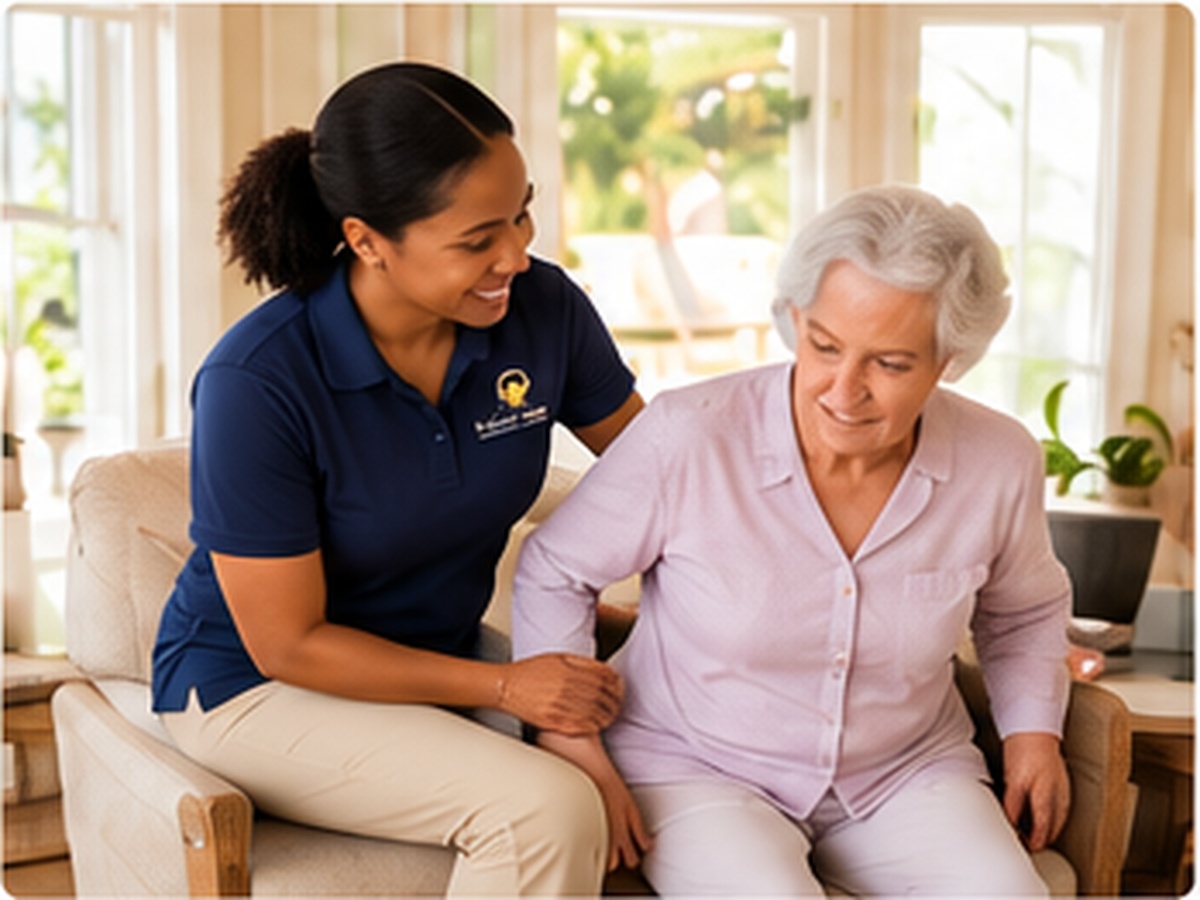
Standing & Sitting
Support getting up and sitting down safely.

Walking Support
Help moving from room to room.
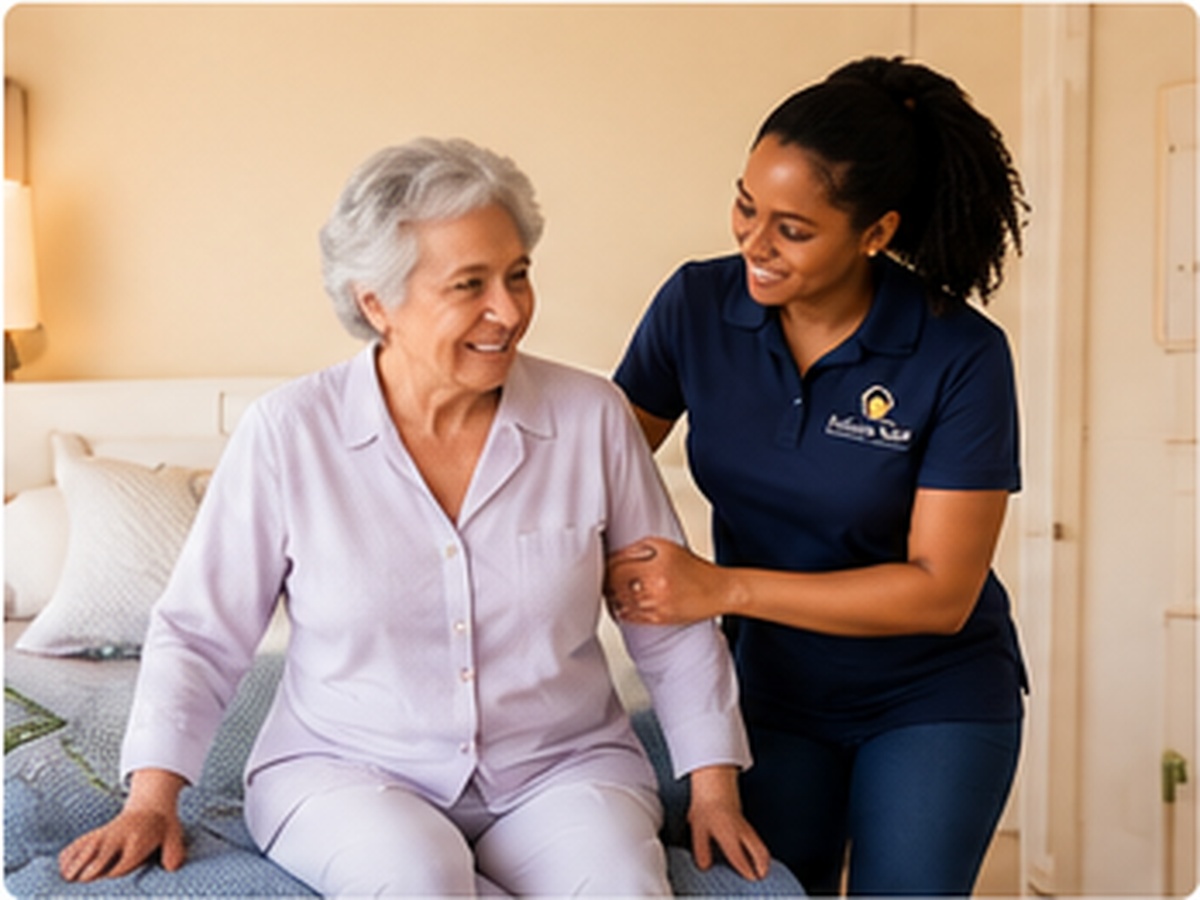
Bed Mobility
Assistance getting in and out of bed.
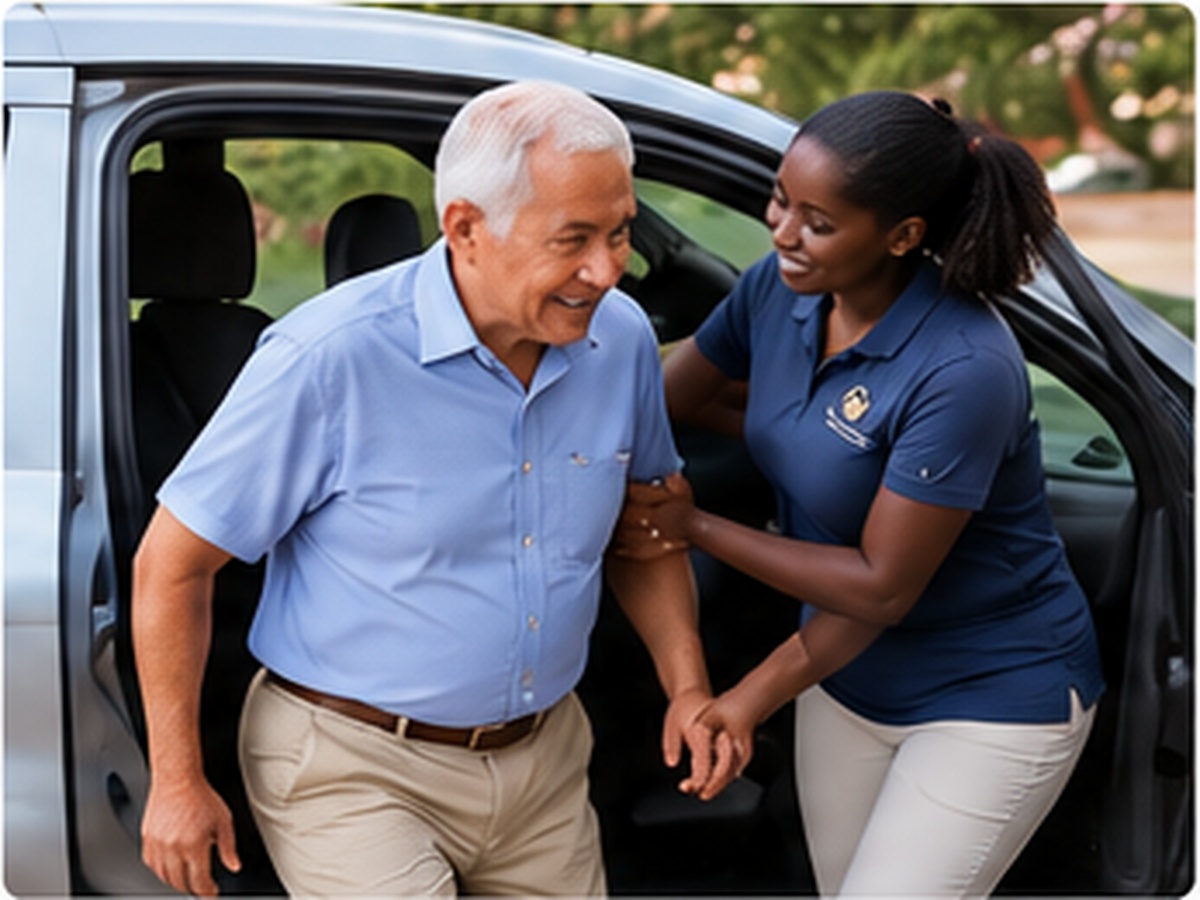
Getting to Appointments
Support to and from the vehicle.
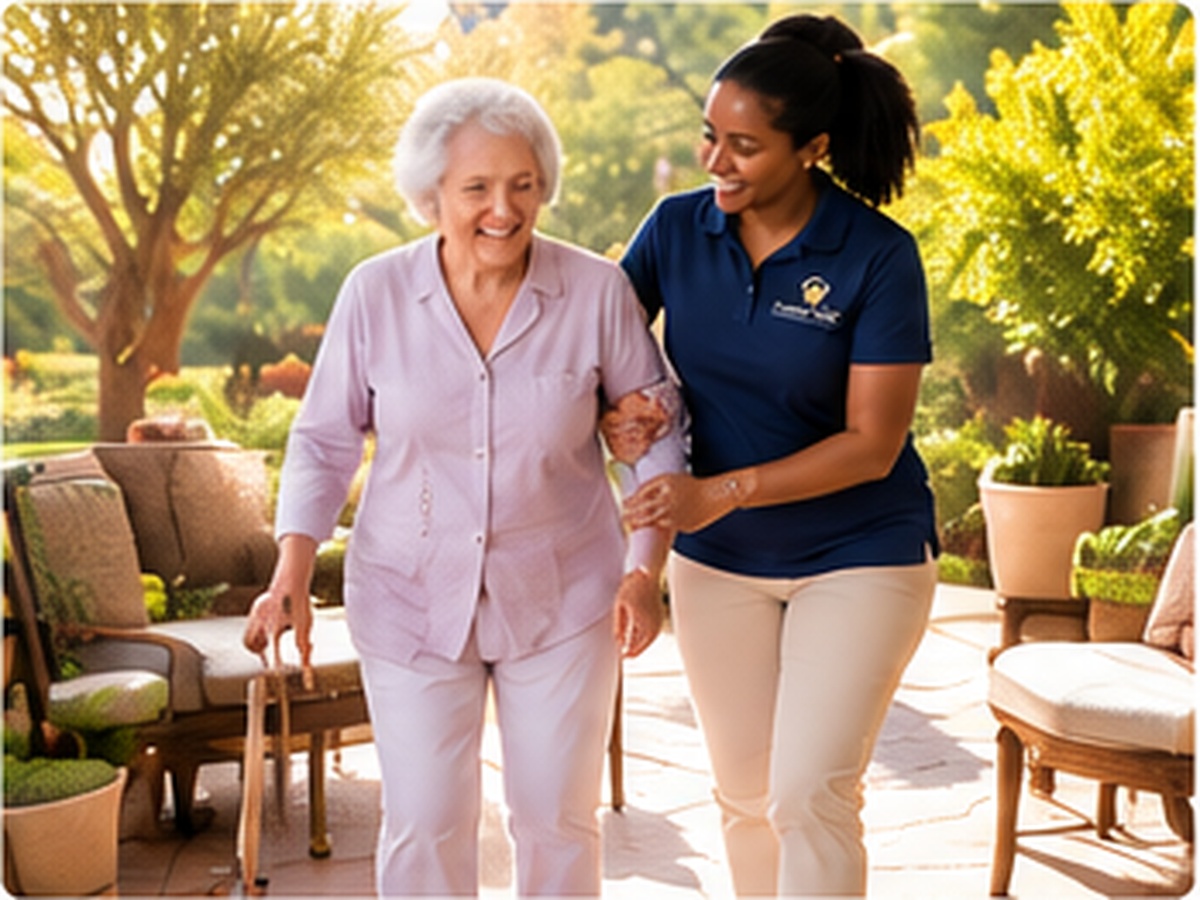
Outdoor Movement
Enjoy the patio, a short walk or time outside.
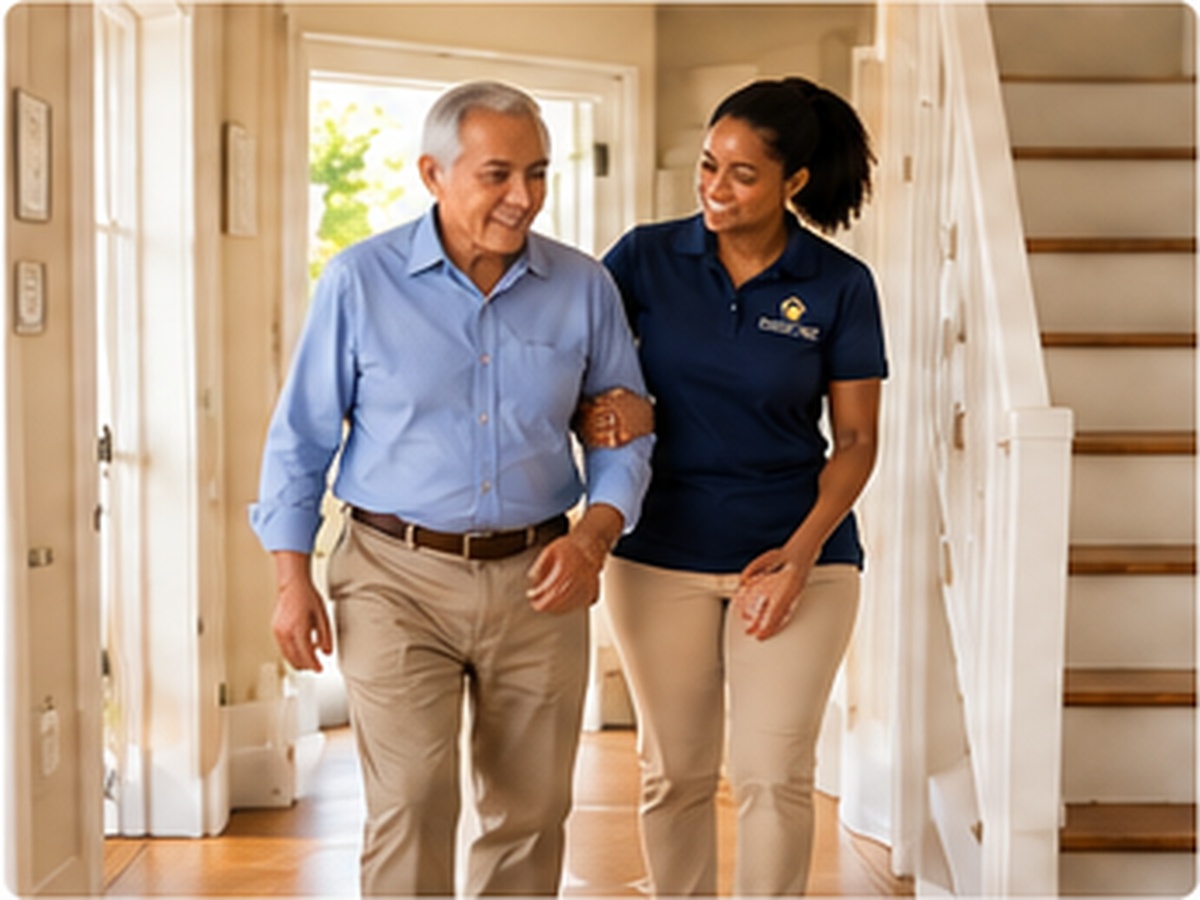
Home Navigation
Help with stairs, hallways and transitions.

Daily Routines
Mobility support as part of personal care.
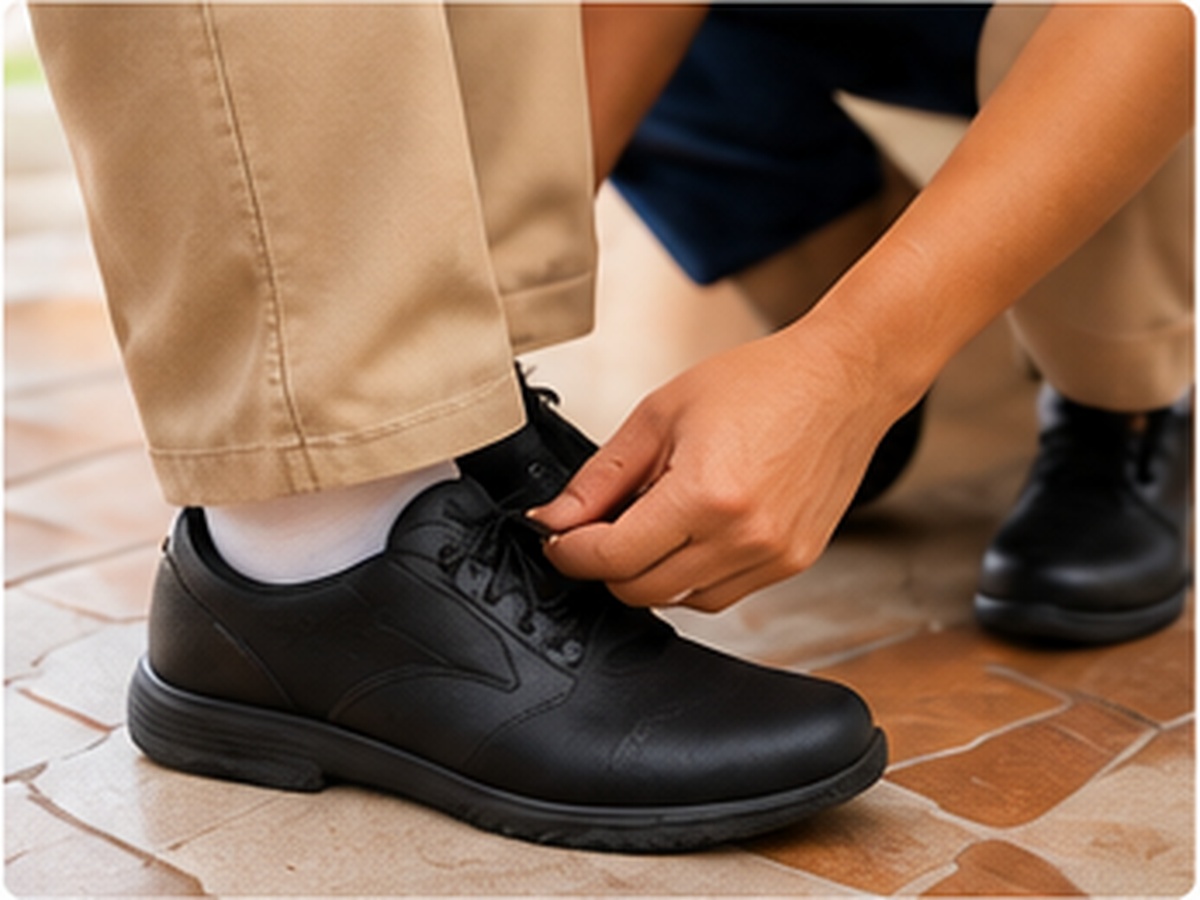
Fall-Aware Support
Attentive care and a safer home environment.
Frequently Asked Questions About Mobility Assistance in Tucson
What is mobility assistance for seniors?
Mobility assistance is non-medical, hands-on support that helps an older adult move safely through everyday routines at home. It can include standing and sitting, walking from room to room, getting in and out of bed, and help with stairs, hallways, and transitions.
How do I know if my parent needs help with mobility?
Common signs include holding onto furniture or walls, avoiding stairs, getting tired quickly, needing several tries to stand up, near falls, or spending more time in one chair or room. Often families notice one small change first. If you are noticing something, tell us what is changing and we can help you decide what kind of support makes sense.
My mother is afraid of falling. Can a caregiver help her feel safer moving around the house?
Yes. Our caregivers provide attentive, fall-aware support, being nearby and steady when she moves, encouraging her at her own pace, and helping keep walking paths and daily routines as safe as possible. A familiar caregiver can also help her feel more confident over time.
Can a caregiver help my father stand up, sit down, or get in and out of bed?
Yes. Caregivers can assist with standing and sitting, chair and bed transfers, and bed mobility according to your father’s care needs and care plan. We will talk with you about what he can still do himself, so we support his independence rather than doing everything for him.
Can a caregiver help with stairs and getting around the house?
Yes. Caregivers can help with stairs, hallways, and transitions between rooms, and with walking from room to room. The right level of help depends on your loved one’s needs, and we will discuss it with you when we build the care plan.
Can a caregiver help my parent get to appointments?
Yes. Caregivers can support your parent to and from the vehicle and help them move safely as part of getting to appointments. See our Transportation Care Guide for more about support with trips and errands.
Can a caregiver help my parent go outside for a walk or sit on the patio?
Yes. Time outside can be part of a healthy daily routine. Caregivers can help with a short walk, the patio, or time outdoors, based on your loved one’s comfort and abilities.
Is mobility assistance the same as physical therapy?
No. Mobility assistance is non-medical support with everyday movement. It does not include therapy, exercise prescriptions, or other clinical services. If your loved one has been given exercises or instructions by a doctor or therapist, please share them with us so our caregivers can support your loved one’s routine, and check with their provider about any medical questions.
Do you provide walkers, wheelchairs, or other equipment?
Caregivers can assist a person who already uses a cane, walker, or wheelchair. We do not prescribe equipment. If you are unsure what your loved one needs, ask their doctor or therapist. Tell us about any equipment in the home when we talk, so we can plan care around it.
What if my parents don't want help or don't want to feel dependent?
That is very common, and we take it seriously. Good mobility assistance is not about doing everything for someone. It is about giving the right amount of help while supporting what they can still do. Our caregivers offer help with patience, respect, and encouragement, and a familiar caregiver often makes accepting help feel more natural.
Will the same caregiver come each time?
We aim to provide consistency whenever possible, because familiar caregivers build comfort and confidence, especially with mobility. Scheduling can depend on availability, care needs, and the requested schedule.
How will I know if something changes with my loved one?
We keep families informed. Our caregivers follow established communication procedures and update you about meaningful changes, such as new difficulty standing, walking, or moving around the home, according to your care plan.
Can mobility assistance be combined with personal care or companion care?
Yes. Mobility support is often part of daily routines such as bathing, dressing, and getting ready in the morning, and it can be combined with personal care, companion care, and other non-medical support based on your loved one’s needs.
THE INHOME KARE DIFFERENCE
More than help. A more independent day.
Our caregivers provide non-medical mobility assistance with patience, respect and encouragement — supporting what your loved one can still do, while being there when they need a hand.
Familiarity
Known caregivers build comfort.
Consistency
A steady routine supports confidence.
Matching
The right caregiver for your needs.
Communication
We keep you informed every step of the way.
MOBILITY ASSISTANCE IN TUCSON
Staying at Home Often Depends on Being Able to Keep Moving Through It.
Tell us what’s changing. We’ll help you find the right support.